
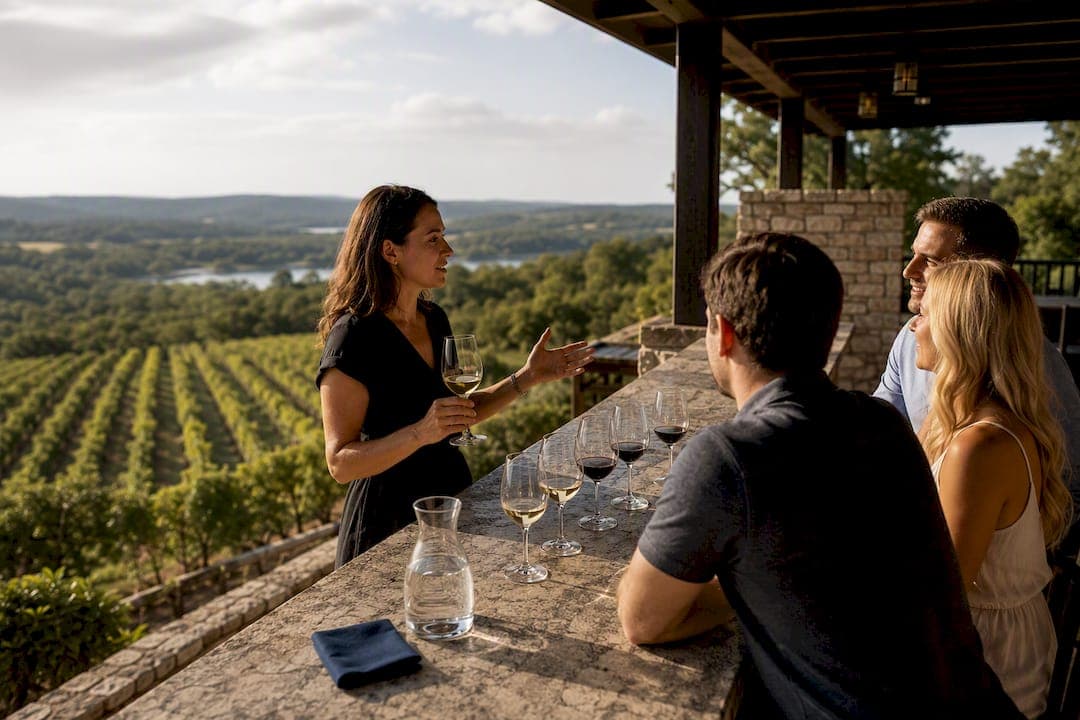
Plan two to three winery stops per day, book your must-visit tastings three to eight weeks out, and lock in a designated driver or chauffeur before you touch a route map. That's the whole formula. Everything else, region picks, meal timing, tasting durations, is detail work you can copy from templates below.
TL;DR:
- Booking two to three winery stops per day with early reservations ensures a relaxed pace rather than overscheduling or rushing through tastings.
- Private chauffeur services are the most efficient transport option for groups of four or more, eliminating driving stress and allowing everyone to taste freely.
- Most tastings last between 30 and 75 minutes, so planning for two to three stops with buffer time prevents palate fatigue and overexertion.
- Peak harvest seasons require early booking of tastings and accommodations, as winery capacity and staffing are at their busiest.
- Tailoring your itinerary to your group's wine preferences and pace enhances the experience, especially when choosing regions for reds, whites, or sparkling wines.
Table of Contents
- Wine Tour Itinerary Planning Starts With the Right Pace
- Sample Wine Tasting Itinerary Templates You Can Copy
- How Do You Choose the Right Wine Region and Season?
- How Many Wineries Should You Visit Per Day?
- When Should You Book Wine Tastings?
- What's the Safest Way to Get Between Wineries?
- Which Tools Help You Build and Share the Itinerary?
- What Does a Wine Tour Actually Cost?
- How Should You Behave in a Tasting Room?
- Where to Eat and Stay Near Wine Country
- How Do You Customize the Itinerary to Your Group?
- Which Regions Fit Which Kind of Wine Tour?
- What Chauffeured Wine Tours Taught Me About Pacing
- Let a Chauffeur Handle the Route While You Handle the Tasting
- Sources
Wine Tour Itinerary Planning Starts With the Right Pace
The single biggest mistake in wine tour itinerary planning is treating a tasting day like a scavenger hunt. More stops does not mean a better day. A curated schedule that mixes one elevated, hosted experience with a casual pour and a genuinely open slot beats a checklist of five wineries almost every time.
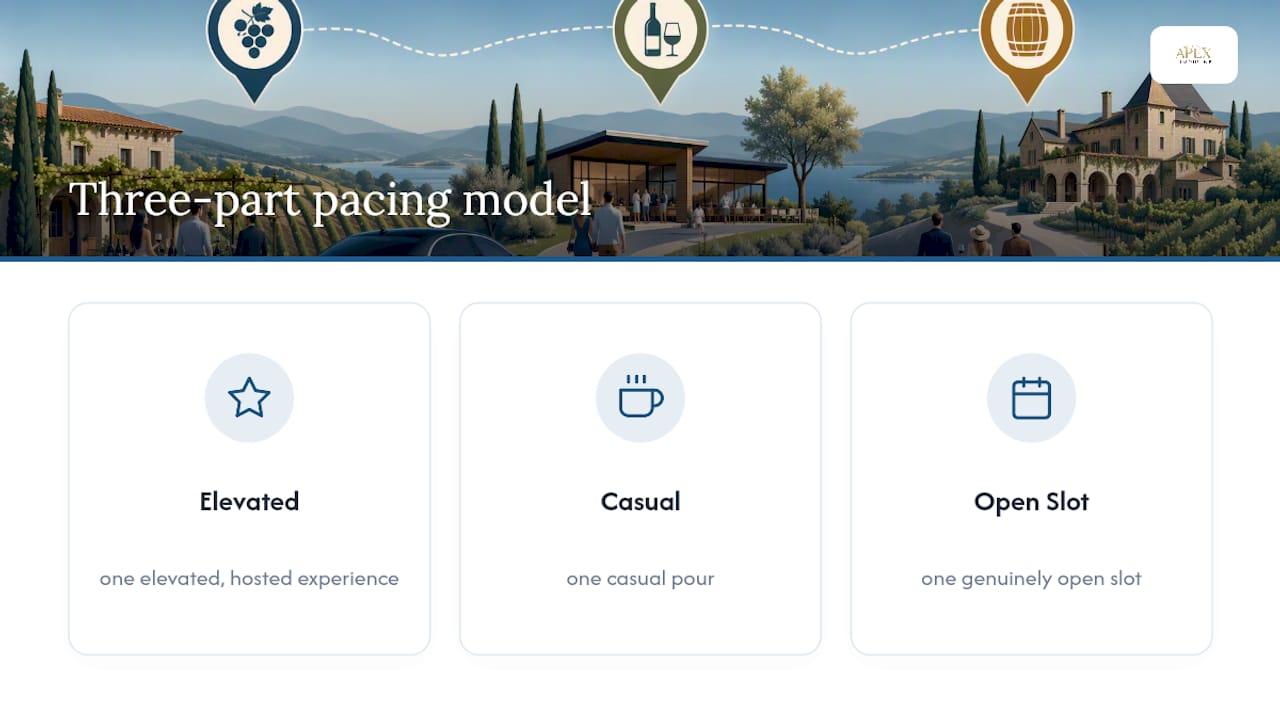
That's the core discipline behind good vineyard visit planning: fewer, better tastings, with room to breathe. Below is the actual mechanics, day trip, long weekend, or full week, plus what changes by region and season.
Sample Wine Tasting Itinerary Templates You Can Copy
These frameworks work for a solo trip or a group of ten. Adjust drive times to your region, but keep the stop counts.
Day trip (2 to 3 stops):
- 10:00 AM: First tasting, 45 to 60 minutes, book ahead if it's a name-brand estate
- 11:30 AM: Travel buffer, 20 to 30 minutes between properties
- 12:15 PM: Lunch, either at a winery with food service or a nearby town
- 2:00 PM: Second tasting, casual, 30 to 45 minutes
- 3:30 PM: Optional third stop only if energy and schedule allow
Long weekend (2 nights, base in one town):
- Friday: Arrive, light casual tasting, dinner in town
- Saturday morning: Hosted or seated tasting at a flagship estate
- Saturday afternoon: Winery lunch, then one more relaxed pour
- Sunday: Slow morning tasting, checkout, one farewell stop on the way out
Five to seven days: Split the trip across two or three sub-regions, spend two to three days per area, and build in one full rest day with zero tastings. Pacing, not mileage, is what makes a week-long tour feel like a vacation instead of a job.
How Do You Choose the Right Wine Region and Season?
Trip length should decide your region, not the other way around. A single day works best within one appellation. A long weekend can stretch across two adjacent sub-regions. A full week supports genuine region-hopping, but only if you accept some travel days will have zero tastings.
Season matters just as much:
- Harvest season brings the best energy and the busiest tasting rooms, book everything early.
- Shoulder seasons (late spring, early fall) usually mean shorter waits and more flexible scheduling.
- Winter months often bring quieter tasting rooms and occasionally better access to winemakers themselves.
Winery calendars change more than people expect. Some tasting rooms rotate featured wines and food pairings seasonally, so a property you visited last year may run a completely different experience now. Always check the specific winery's page for current hours and events before you build your route around outdated information.
How Many Wineries Should You Visit Per Day?
Two to three is the number that actually holds up. Three to four is the realistic ceiling for a casual day, and pushing past that is where most trips go sideways.
Tasting durations vary more than people assume:
- Casual walk-up tastings: around 30 minutes
- Structured or seated tastings: 60 to 75 minutes
- Some hosted or seated experiences run up to 90 minutes, especially with food pairings
Wine tour math: A 60-minute tasting plus 20 minutes of travel plus a lunch break easily eats five hours for two stops. Add a third, and you're at seven or eight hours before dinner. Palate fatigue is real too. By your fourth pour, you're not tasting wine anymore, you're just drinking it. Overscheduling is the single most common planning error, and it's the fastest way to turn a relaxed day into an exhausting one.
When Should You Book Wine Tastings?
Timing separates a smooth day from a scramble at the tasting room counter.
- 6 to 8 weeks out: Reserve peak experiences, vineyard lunches, private cellar tours, anything with limited daily capacity.
- 3 to 4 weeks out: Book standard seated tastings during peak season (harvest, weekends, holidays).
- 1 to 2 weeks out: Confirm transport, meal reservations, and any accommodation still open.
- Day-of: Leave one or two slots genuinely unplanned for a walk-in discovery or a lingering lunch.
Groups of eight to ten or more should expect wineries to require advance reservations and sometimes a deposit or bottle-purchase minimum. Ask about private-space policies and fee waivers in writing before the visit, verbal promises don't hold up when you show up with twelve people and a bus.
Pro Tip: Email the tasting room directly instead of using a generic contact form. Mention your group size, arrival window, and any dietary notes. Wineries respond faster and more specifically to a real person than to a booking widget.
What's the Safest Way to Get Between Wineries?
Your transport choice shapes your whole itinerary, not just the drive time between stops.
- Designated driver: Free, flexible, but that person tastes little or nothing all day. Rough on a rotating basis.
- Ride-share: Works for a single stop, unreliable in rural wine country where pickups can take 30+ minutes.
- Bike tours: Fun for flat, tightly clustered regions, but limits your radius and adds real risk if anyone overpours.
- Private driver or chauffeur service: Removes the driving question entirely, lets everyone taste, and handles multi-stop routing without anyone checking a map.
For groups of four or more, or any itinerary with three-plus stops, a chauffeur-driven service tends to be the practical choice. It also reduces the mental load of routing and parking, which is a big part of why groups pay for private transport despite the higher per-person cost.
Pro Tip: Never let "just one more stop" talk override your transport plan. Build in rest time between tastings and always carry water, dehydration amplifies the effects of alcohol far faster than most people expect.
Which Tools Help You Build and Share the Itinerary?
Some trip-builder platforms let you pick a region, travel style, and number of days, then generate a day-by-day route with a map attached. That's the fastest option if you're planning solo.
For groups, a shared spreadsheet or document usually works better than any app. Fill it with:
- Contact info and phone numbers for each winery
- Reservation times and confirmation numbers
- Backup ("Plan B") slots in case a booking falls through
- A printable or PDF version for anyone without reliable signal in wine country
Whatever format you choose, one person should own the master copy and share updates immediately.
What Does a Wine Tour Actually Cost?
Budget by category, not by guesswork.
- Tasting fees: Often $20 to $40 for casual pours, $40 to $75 for seated or hosted experiences.
- Meals: Winery lunches run higher than a standalone restaurant but save travel time.
- Transport: Ride-share adds up fast across multiple stops; a private driver charges by the hour but covers the whole day.
- Accommodation: Prices spike hard during harvest weekends, book early or expect to pay for it.
- Shipping: If you're buying six or more bottles, shipping is often cheaper than checking bags or hauling glass in a trunk.
Pack light but smart: collapsible wine luggage, a small notebook for tasting notes, water, sunscreen, and shoes you can stand in for six hours. Many tasting rooms waive fees entirely with a bottle purchase or for wine club members, always ask before you pay.
How Should You Behave in a Tasting Room?
Winery staff pour for a living, but they notice who's actually paying attention. A little etiquette goes further than most guests realize.
Show up close to your reservation time. Wineries build their day around booked slots, and arriving 40 minutes late can bump you to a rushed, standing tasting instead of the seated one you reserved. If you're running behind, call ahead, most staff will hold a spot for fifteen minutes if you give them notice.
Ask questions, but read the room. "What's the blend on this one?" opens a conversation. Interrupting a staff member mid-pour to compare their wine to a competitor's does not.
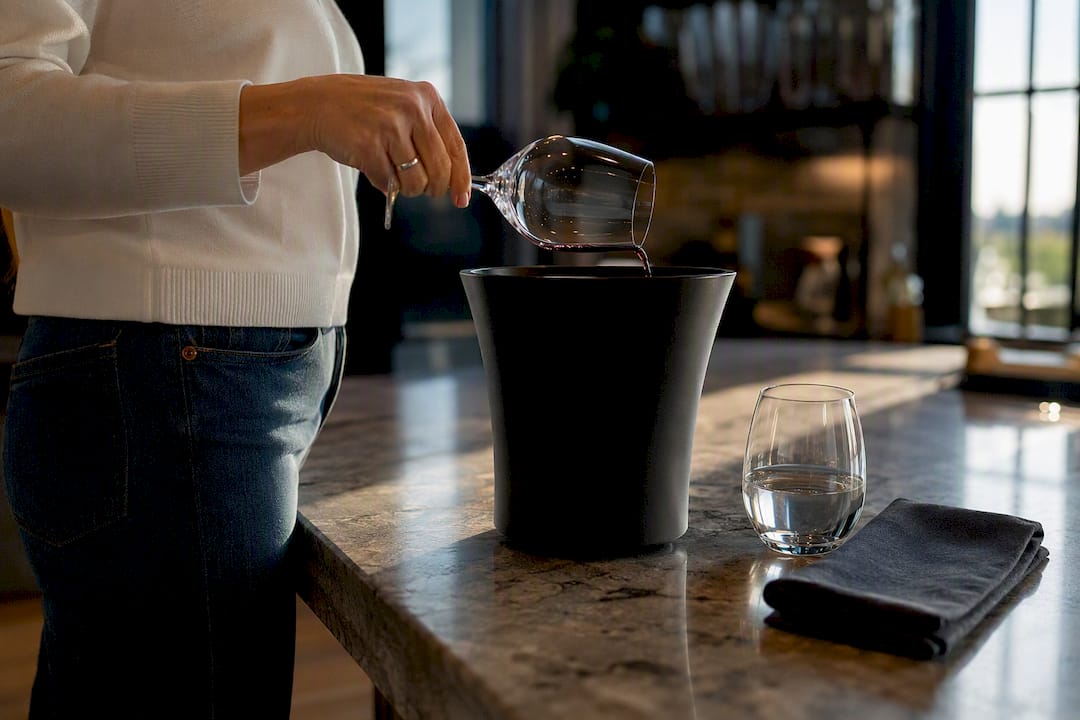
Spitting is normal and expected, especially if you're visiting more than two properties. Every tasting room has a dump bucket for a reason, and no one is judging you for using it. It's the reason people can actually make it through a full day of tastings without their palate, or their judgment, giving out by 2 PM.
Tip appropriately when a pour comes with real hospitality: a guided walk through the barrel room, a hosted seated tasting, a staff member who spent twenty minutes with your group. Ten to fifteen percent of the tasting fee is a reasonable range, cash is still king in most tasting rooms.
Buy something if you loved a wine. You don't need to buy at every stop, but a winery that hosted your group for 45 minutes and sold nothing notices the pattern.
Where to Eat and Stay Near Wine Country
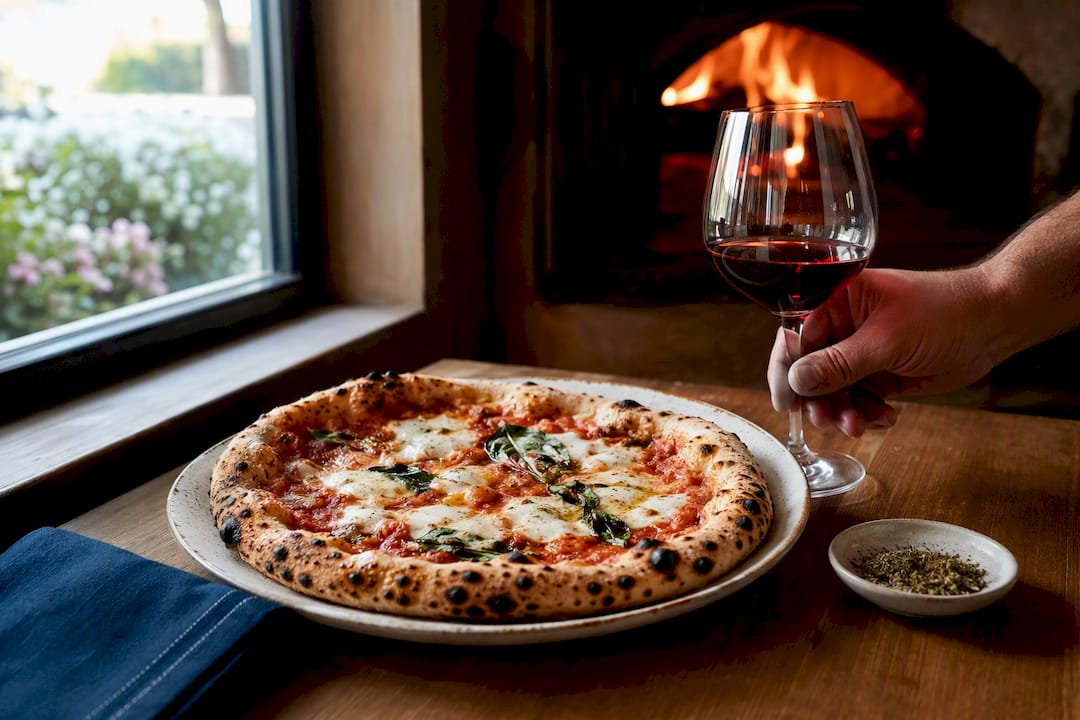
The best lunches near wine country rarely sit inside a strip mall five miles from the vineyards. Look for small, family-run restaurants in the town closest to your tasting cluster, they tend to know the local wine list better than a chain ever will, and many build their menu specifically around food-pairing traditions. If you're touring pizza-friendly regions, sparkling wine or a light red poured alongside a wood-fired pie is a combination that consistently outperforms heavier reds, the acidity cuts through the richness instead of fighting it.
For lodging, stay inside the region you're touring rather than commuting in from a bigger city nearby. A twenty-minute drive between your hotel and your first tasting adds up fast across a multi-day trip, and it eats into the buffer time you need for lunch and rest. Bed-and-breakfasts and small inns inside wine country often know which wineries are booking up and which ones have quietly slowed down for the season, information you won't find on a booking app.
If you're planning a private lunch or a hosted tasting for a larger group, some full-service catering options can coordinate a seated meal at a rented space or vineyard property when the winery itself doesn't offer food service. That's worth exploring for groups over eight, where a restaurant reservation gets complicated fast.
How Do You Customize the Itinerary to Your Group?
A generic template gets you 80% of the way there.
If your group leans toward big reds, prioritize regions and estates known for Cabernet or Syrah, and schedule those tastings earlier in the day when palates are fresh, big tannins are harder to appreciate after three prior pours. White wine lovers can handle a slightly longer day since lighter wines cause less fatigue, and sparkling-focused groups often do best with a celebratory framing, a birthday, an anniversary, a bachelorette weekend, built around one or two flagship stops rather than a packed schedule.
Pace preference matters more than wine preference. Some groups want structure: every hour accounted for, reservations locked, a clear plan. Others want one anchor tasting and total flexibility around it. Ask your group directly before building the schedule, mismatched expectations, one person wanting five stops while another wants two, are the most common source of tension on a multi-day trip.
Experience type is the last lever. A hosted cellar tour, a blending session, or a vineyard walk changes the tone of a day compared to a straightforward bar tasting. Mix one elevated experience into an otherwise casual itinerary rather than stacking several, it keeps the day memorable without exhausting anyone's attention or budget.
Which Regions Fit Which Kind of Wine Tour?
Different wine styles cluster in different terrain, and matching your itinerary to that geography saves a lot of backtracking.
Bold red wine tours do best in warmer, higher-elevation regions where estates specialize in Cabernet, Syrah, or blends built for aging. These wineries often run their best tastings as seated, hosted experiences rather than quick bar pours, budget the longer 60 to 75 minute window for these stops.
White wine tours favor cooler-climate sub-regions, where Chardonnay, Sauvignon Blanc, and aromatic varietals thrive. These tastings tend to run faster and more casual, which makes them easier to stack two or three in a single day without the fatigue that heavier reds cause.
Sparkling wine tours cluster around a smaller number of specialized producers, since traditional-method sparkling wine requires specific growing conditions and production facilities. These visits often include a cellar or production tour alongside the tasting, plan extra time, sometimes the full 90-minute range, and book these further in advance since capacity is usually limited.
Mixed tours, hitting reds, whites, and something sparkling in one trip, work best across a longer weekend or full week rather than a single day. Trying to sample all three styles in one afternoon usually means rushing the visits that deserve the most time.
What Chauffeured Wine Tours Taught Me About Pacing
Groups that add a private driver almost always end up seeing more of what they actually wanted, not more wineries, more time. Nobody's watching the clock to make the next reservation or hunting for parking at a hillside estate.
The bigger shift is logistical: a chauffeur consolidates every confirmation into one pickup and drop-off, and lunch reservations stop competing with driving time. Groups get more flexible about lingering at a favorite stop once nobody has to worry about who's driving home.
— Jason
Let a Chauffeur Handle the Route While You Handle the Tasting
A private chauffeur service removes the one variable that wrecks most wine tour itineraries: figuring out who drives. Instead of assigning a designated driver who tastes nothing all day, or juggling multiple ride-share pickups in rural wine country, a single chauffeur handles the entire route, from your first reservation to your last glass.
Custom routing means your itinerary, not a generic loop, drives the day. The service builds around your reservations, adjusts for a lunch that runs long, and consolidates every confirmation into one plan instead of five separate bookings. Vehicle options scale from sedans for a couple to SUVs, vans, and stretch limos for larger groups, so the trained chauffeur and the vehicle both match your group size instead of forcing everyone into a compromise.
For groups planning a wine country day or a full weekend, request a quote through APEX LIMO and get a routing plan built around your actual tasting reservations, not a template someone else designed.